
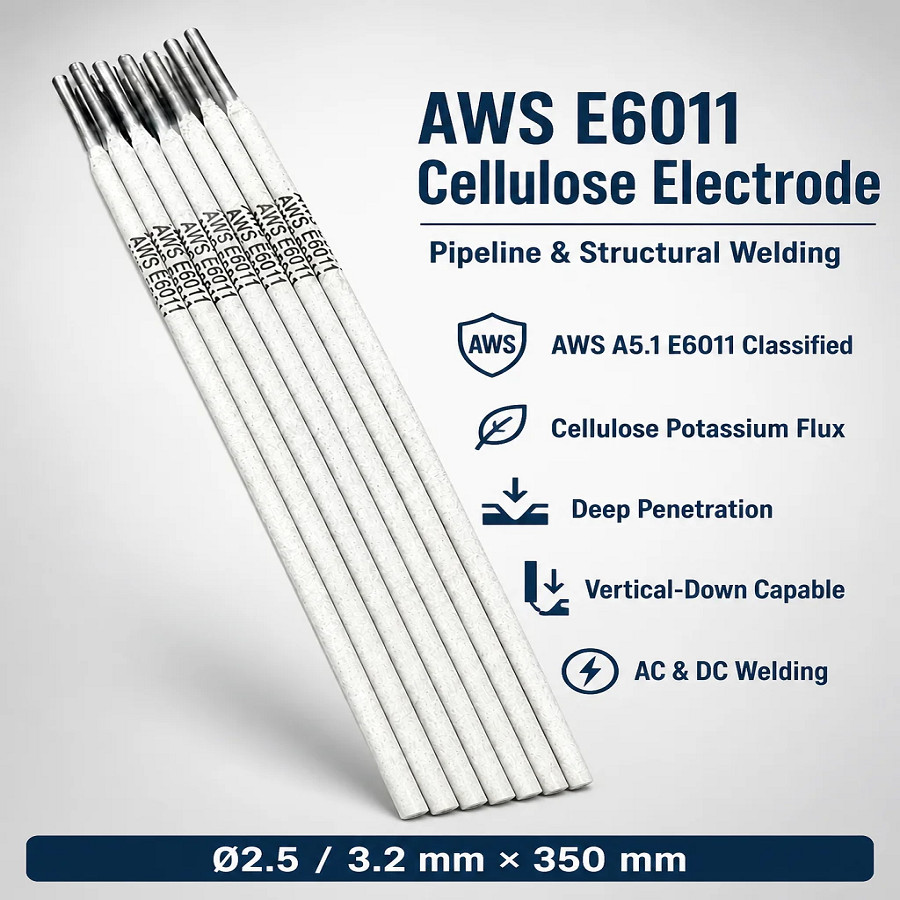
E6011 Cellulosic Welding Electrode
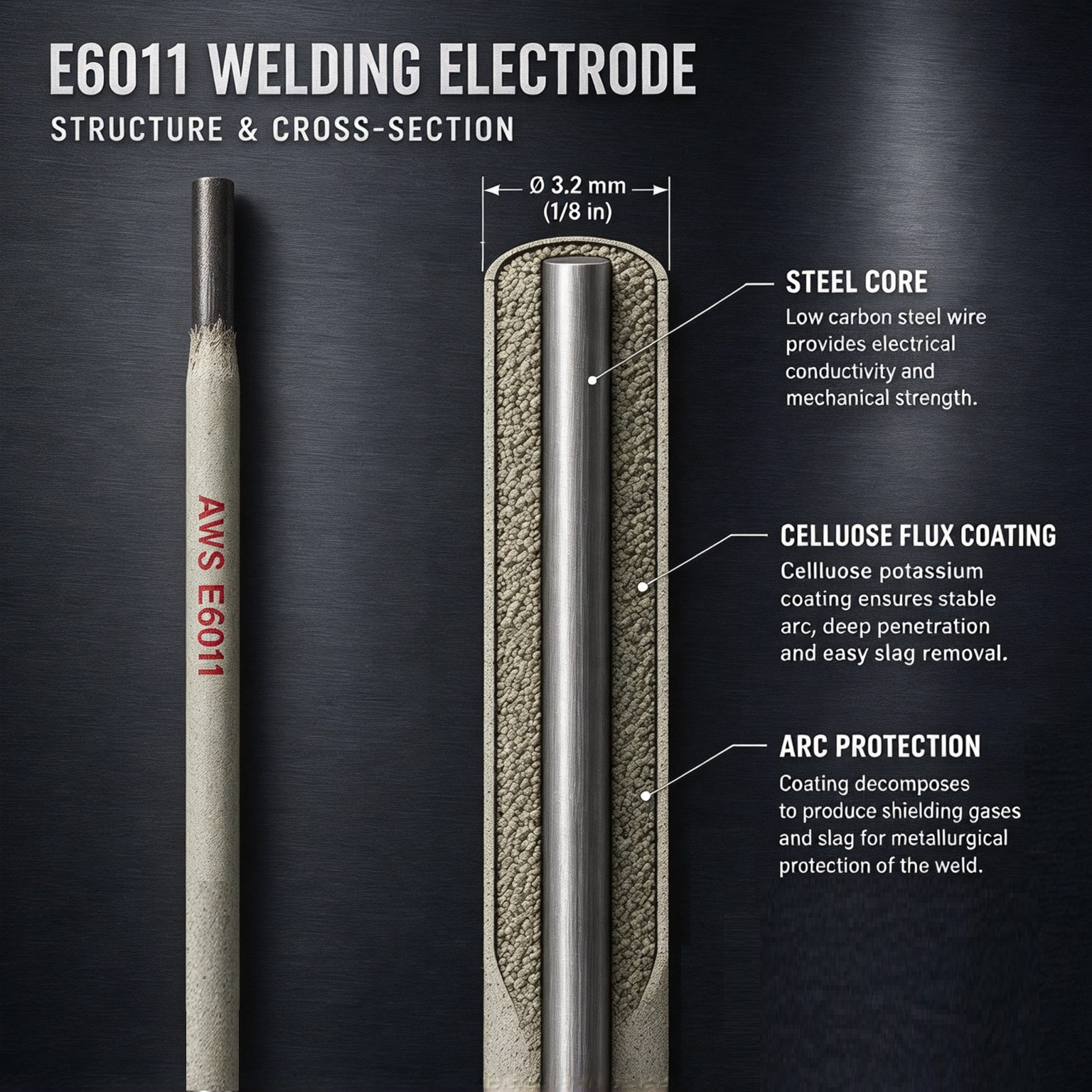
E6011 is a cellulosic-coated mild steel electrode supplied to AWS A5.1, intended for low-carbon steel structures. The cellulosic coating produces a forceful, deeply penetrating arc that will run on AC as well as DC, which is why it is chosen where the joint is dirty, fit-up is poor or the work is done in the field rather than in a shop.
Status
Datasheet available on request

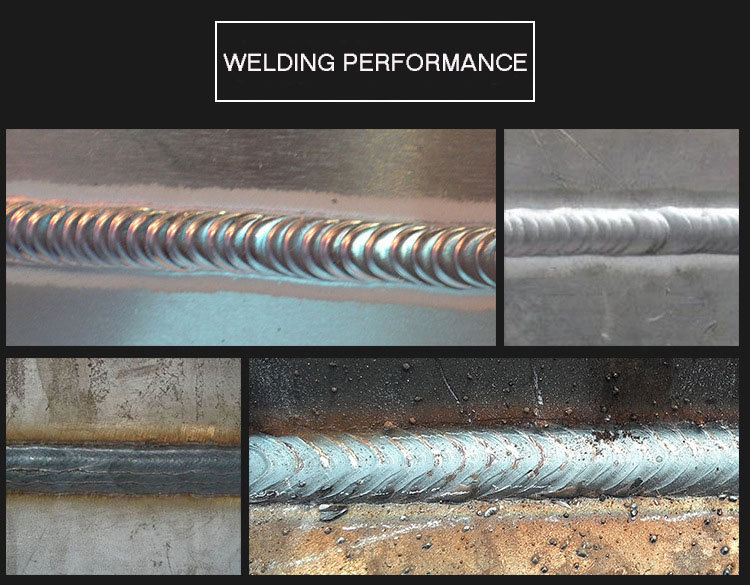
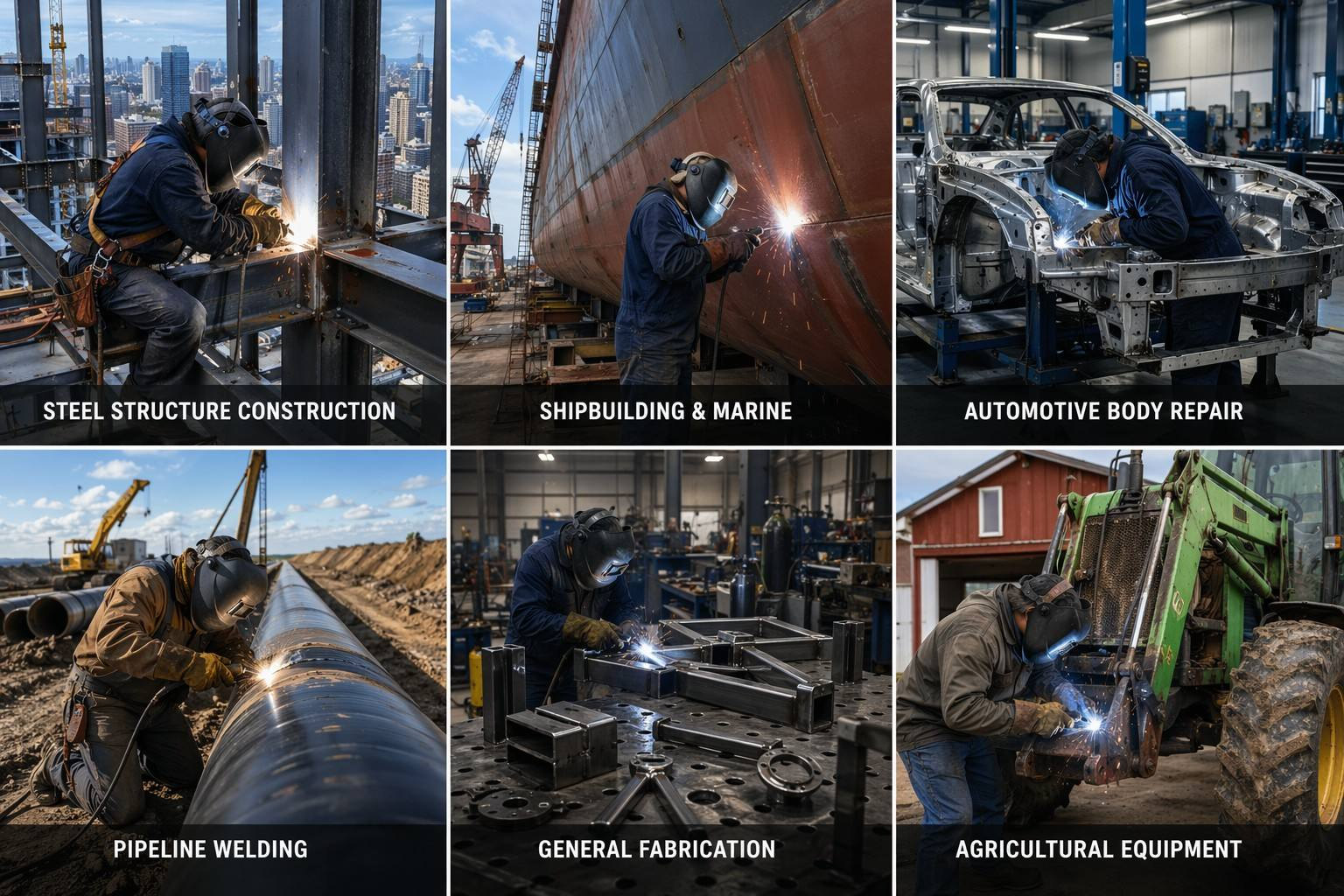
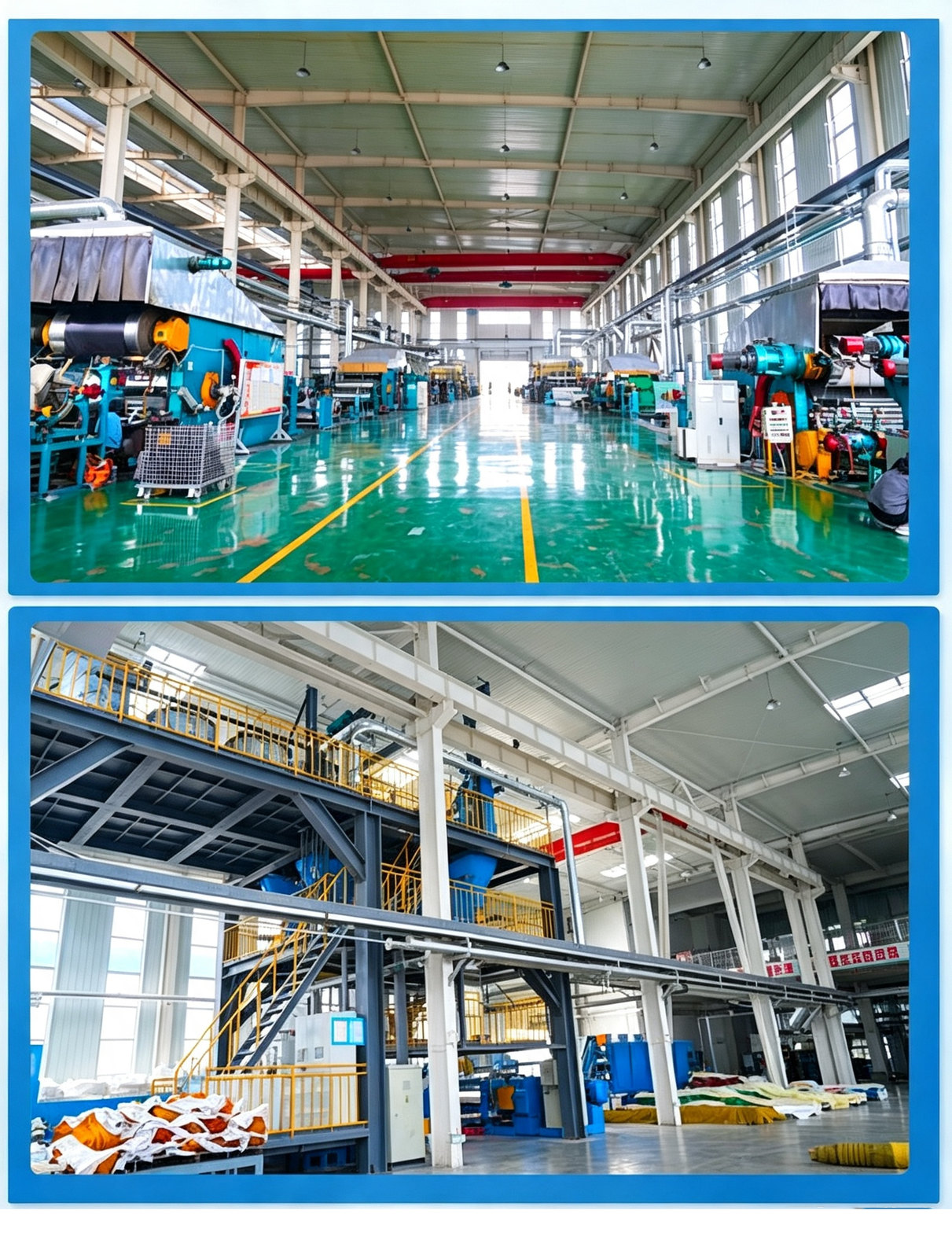


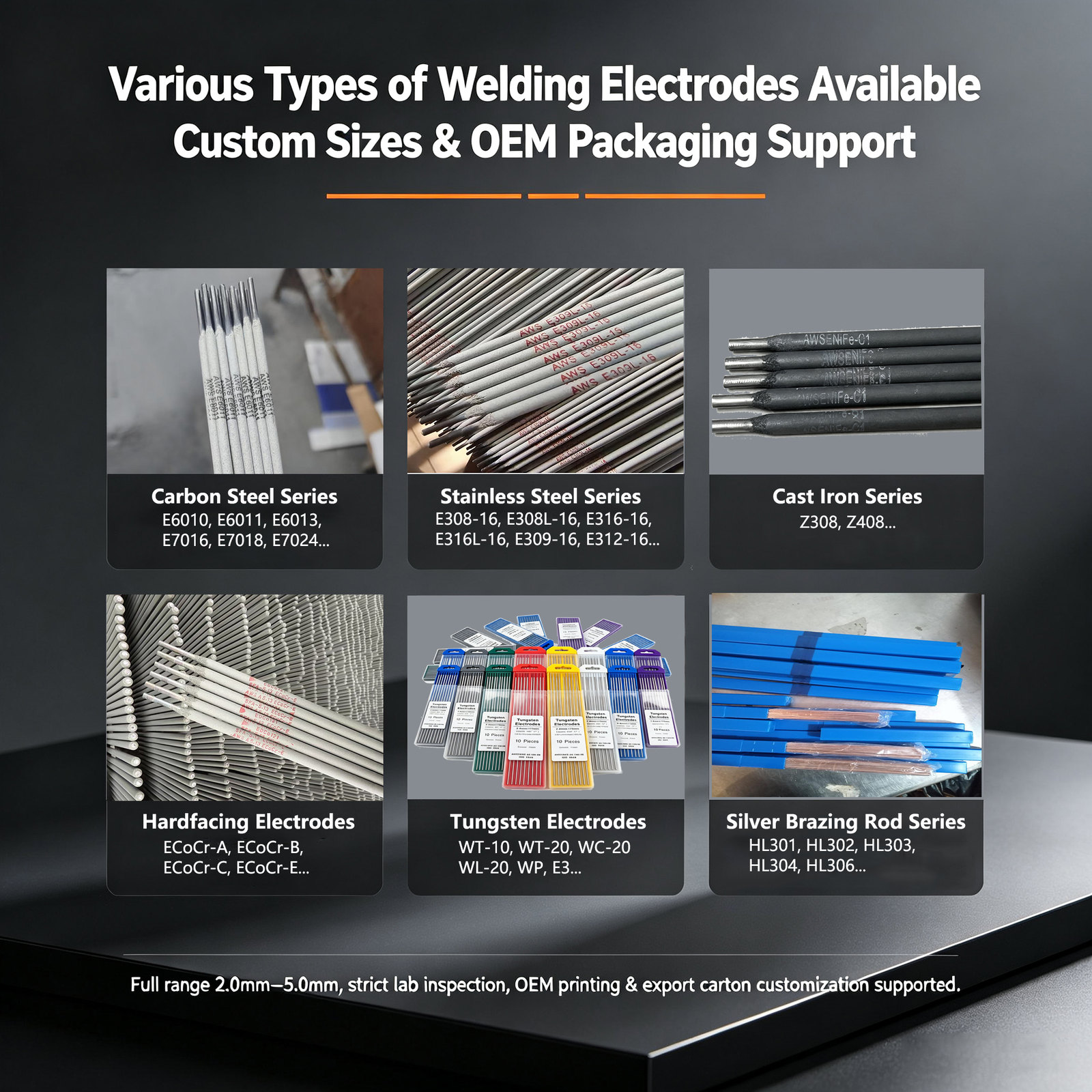

Description
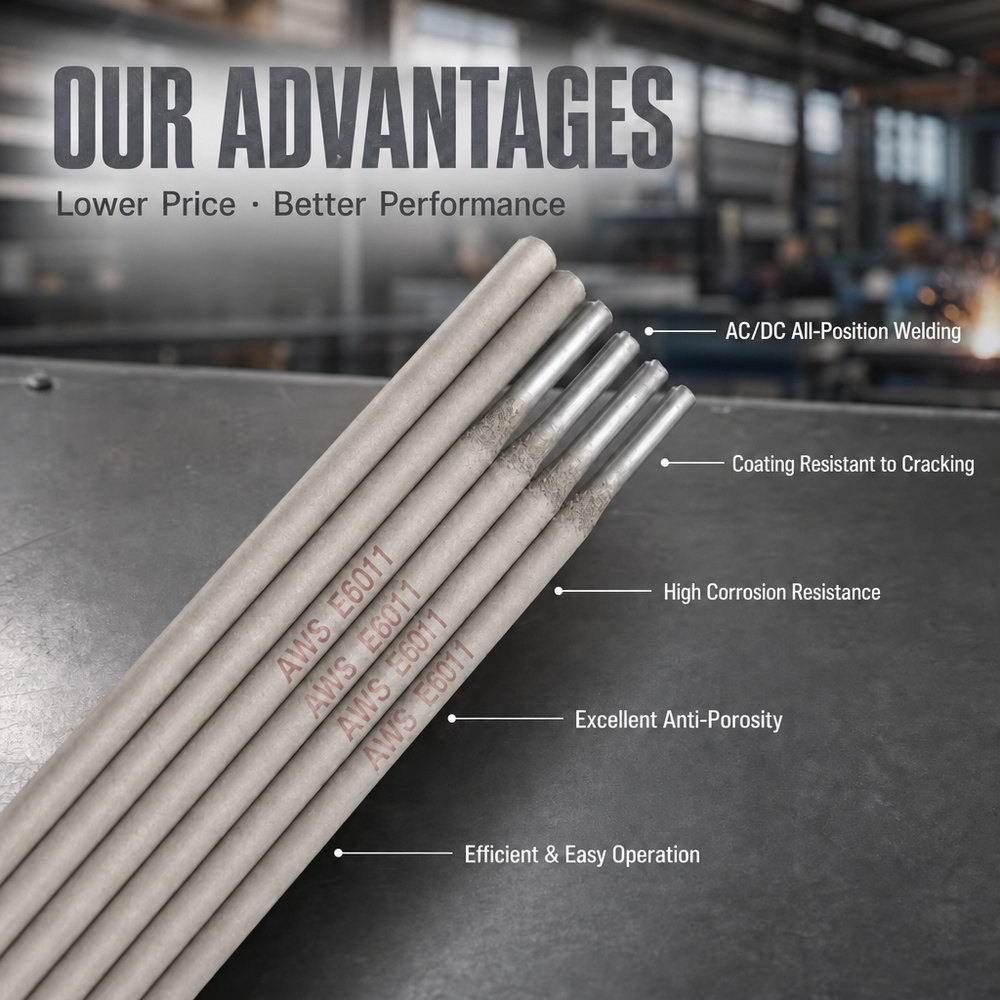
Cellulosic electrode for AC/DC all-position work.
Welding positions, current range, deposition data and procedure notes are provided with the datasheet. Ask us for the grade you are specifying.
- Packing
- 5kg/box
- Standard
- AWS A5.1 (E6011)
- Material
- Carbon steel
- Application
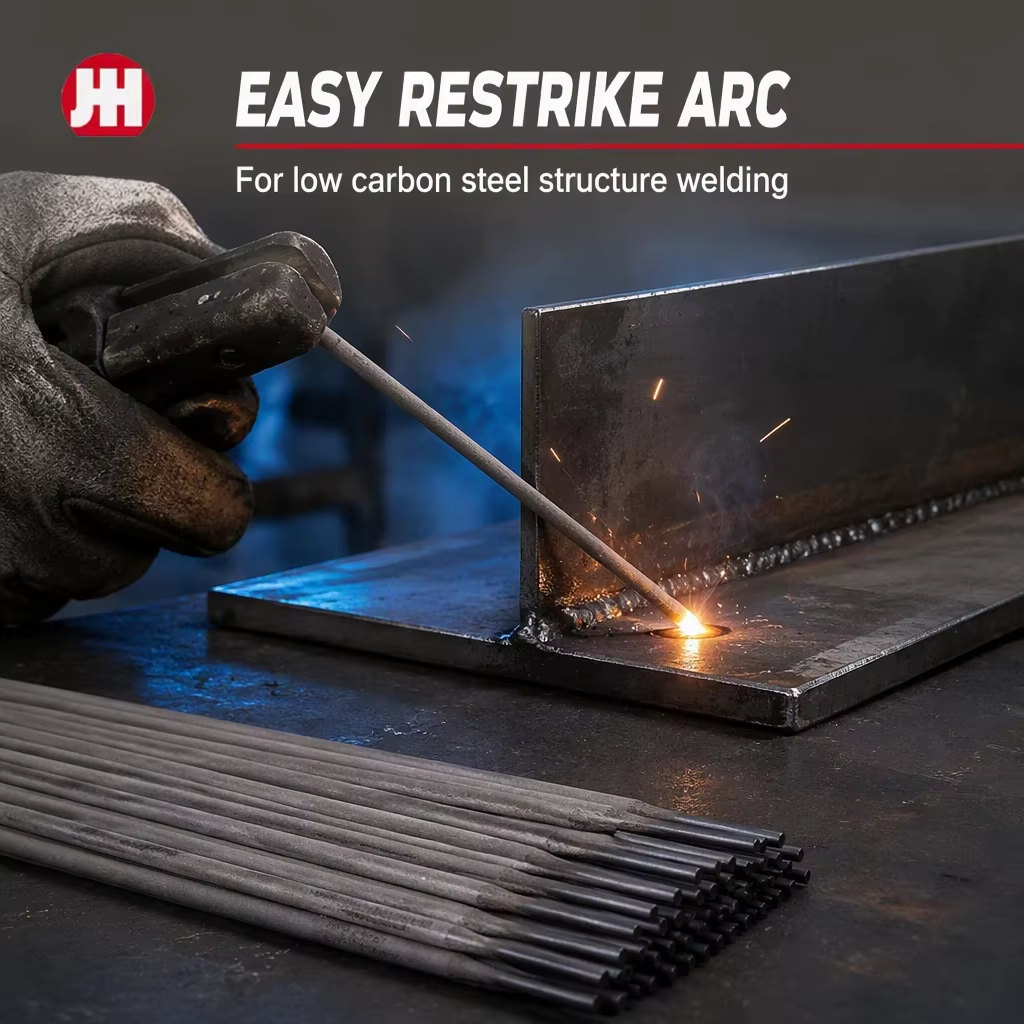
- Low Carbon Steel Structure
- MOQ
- 2 Tons
- Selling unit
- Single item
- Single gross weight
- 2.100 kg
- Single package size
- 40X10X10 cm
Lead time
- 1 - 2,000
- 7 days
- 2,001 - 3,000
- 14 days
- > 3,000
- To be negotiated days
Can E6011 be used on AC welding machines?
Yes. That is the difference between E6011 and E6010. Both are cellulosic electrodes to AWS A5.1 with a deeply penetrating arc, but E6010 is a direct-current electrode and E6011 will strike and hold an arc on alternating current as well. If the only machine on site is an AC transformer, E6011 is the grade that runs.
Why does E6011 penetrate deeper than E6013 at the same diameter?
The coating, not the diameter. A cellulosic coating burns to a gas envelope with high arc force, which drives the arc into the plate. E6013 is a rutile coating with a softer, more stable arc and a heavier slag, so it sits on the surface by comparison. The trade is appearance: E6013 gives the smoother bead.
Is E6011 suitable for the capping passes on a pipe joint?
It can be, and it is more often used for the root. The fast-freezing slag and deep penetration are what the root needs; the rougher bead and heavier spatter matter less there than on a visible finish pass. Whether it is acceptable for the fill and cap is set by the welding procedure for the job, not by the electrode alone.
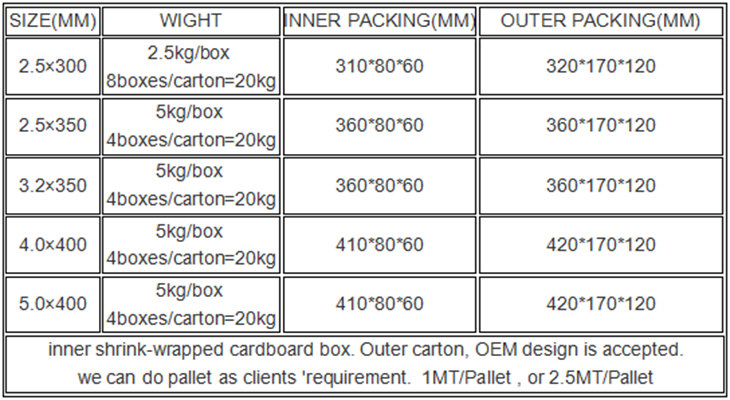
What sizes and packing does E6011 come in?
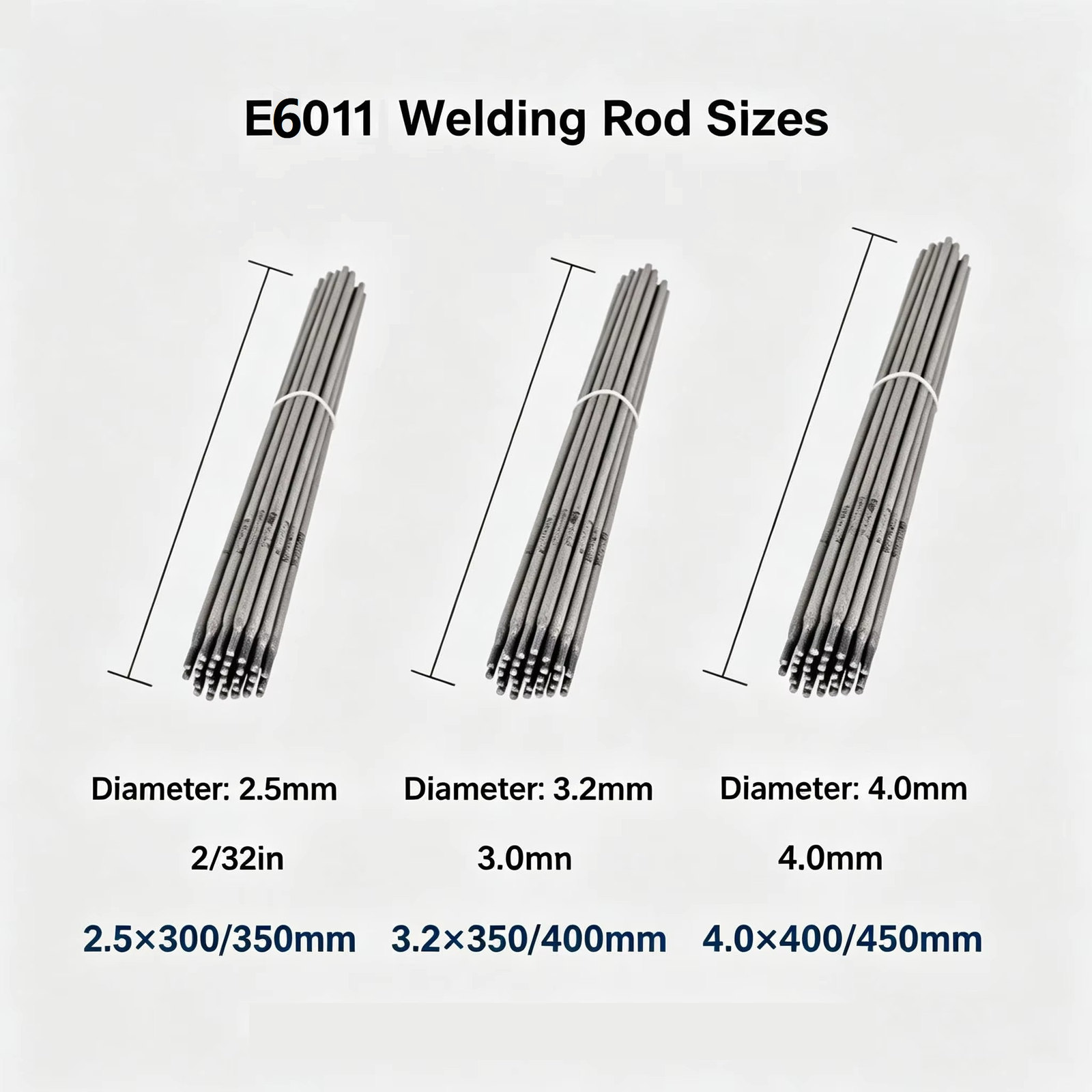
Sizes are quoted against the order rather than held as a fixed list. Tell us the diameters the procedure calls for and the quantity, and the quotation will state the sizes, the packing unit and the carton configuration together, so the packing can be checked against your handling before the order is placed.
Do I need to bake 6011 electrodes before welding?
Generally, E6011 electrodes do not require re-drying before use. However, if they have been exposed to significant moisture or damp environments, it is recommended to re-dry them at 70°C to 90°C for approximately one hour to ensure optimal weld quality.
Is it necessary to clean the metal before using 6011?
While the 6011 welding rod can handle some light rust and impurities better than other rods, it is always best practice to remove oil, water, and heavy rust. This ensures the highest weld strength and prevents defects like porosity.
How do you ensure consistent quality across batches?
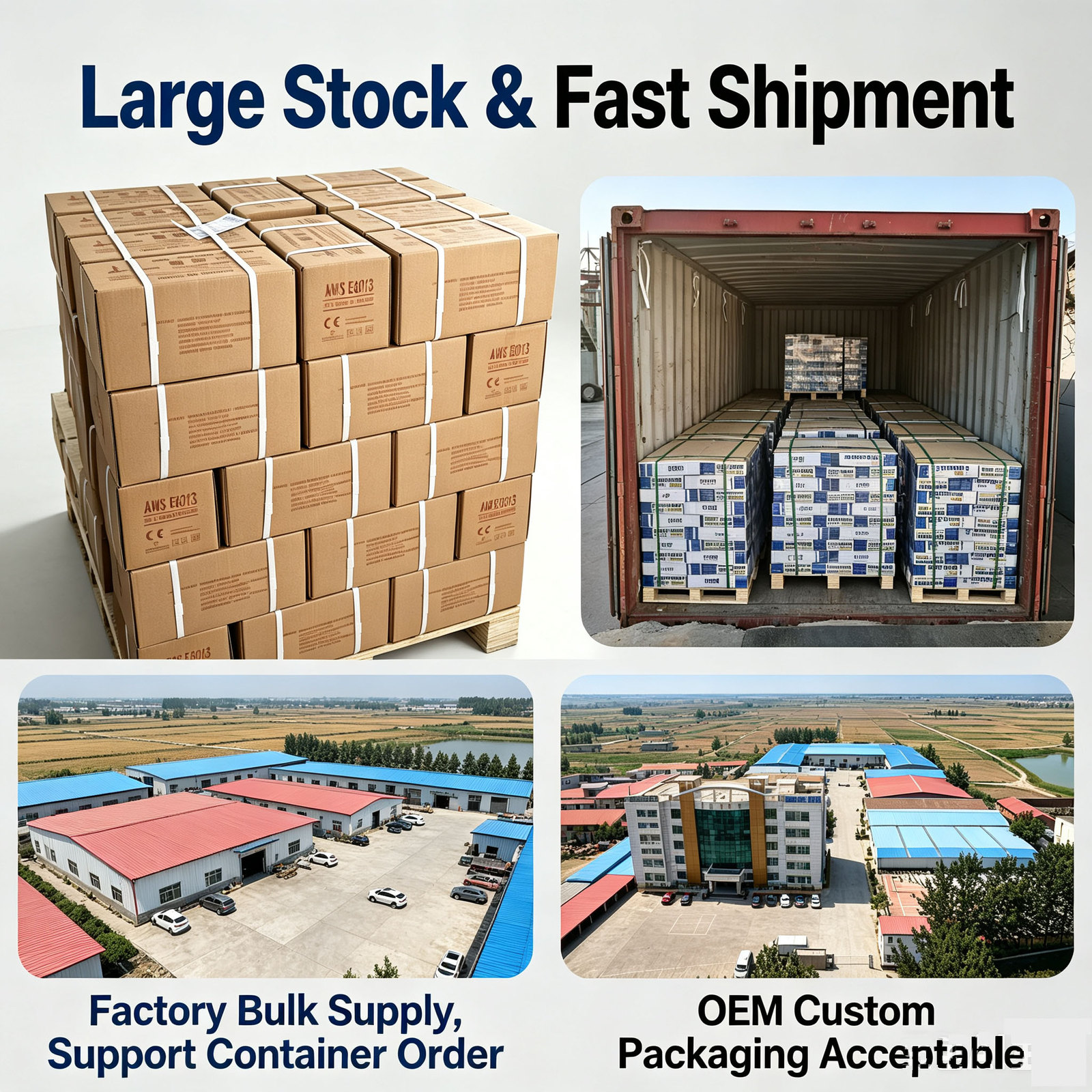
Every production batch undergoes: Chemical composition analysis (spectrometer), Tensile & yield strength testing. Arc performance & spatter evaluation, Slag removal & bead appearance inspection. Third-party inspection available upon request.
E6011 Cellulosic Welding Electrode
What the designation tells you
In AWS A5.1, the four digits of E6011 each carry information. The 60 is minimum tensile strength in ksi. The third digit, 1, states that the electrode is usable in all positions. The fourth digit, 11, states the coating type and the current it will run on: a cellulosic coating, usable on alternating current as well as direct current.
That last digit is why E6011 exists as a separate grade from E6010. The two share a cellulosic coating and a deeply penetrating arc. E6010 needs direct current. E6011 was formulated so the same kind of arc would strike and hold on an AC transformer, which is the machine a lot of site work still runs on.
Why the arc behaves the way it does
A cellulosic coating is mostly cellulose, and burning it produces a gas envelope around the arc rather than a heavy slag blanket. Two consequences follow. The arc force is high, so penetration is deeper than a rutile electrode of the same diameter gives. And the slag that does form freezes quickly, so the bead holds its shape instead of running out of the joint.
That combination is what makes the grade a root-pass electrode. A fast-freezing bead can be left in place while the next pass goes on top, and deep penetration gets fusion at the root of a joint that a gentler electrode would bridge rather than penetrate.
Where it earns its place, and where it does not
- Root passes on pipe, where penetration and a quick-freezing bead both matter.
- Field work on plate that is not clean. The forceful arc pushes through light rust and mill scale that would cause porosity under a rutile electrode.
- Anywhere the power supply is an AC transformer and E6010 is the specified grade. E6011 is the version that will run.
- Not for finish passes where appearance is judged. The bead is rougher than a rutile electrode produces, and the spatter is heavier.
- Not a substitute where the procedure calls for low hydrogen. A cellulosic coating is not a hydrogen-controlled coating, whatever else it does well.
Handling
Cellulosic coatings are manufactured to a controlled moisture content and supplied in sealed packaging. Keep them sealed until use, and follow the storage and re-drying figures on the datasheet for the grade rather than a number carried over from a low-hydrogen electrode — the two coating families are dried for different reasons and to different figures.
Electrode Diameter: What 2.5, 3.2 and 4.0 mm Actually Change
Diameter is not a preference. It decides how much current the rod needs, which positions it will hold, and how many passes a joint takes. What each common size is good for, and where it stops working.
Read the guideE6010 vs E6011 vs E7018: Choosing a Stick Electrode
What an AWS A5.1 grade tells you, why cellulosic and low-hydrogen coatings differ so much, and which of the three suits root passes and vertical-down work.
Read the guideOther grades in this family
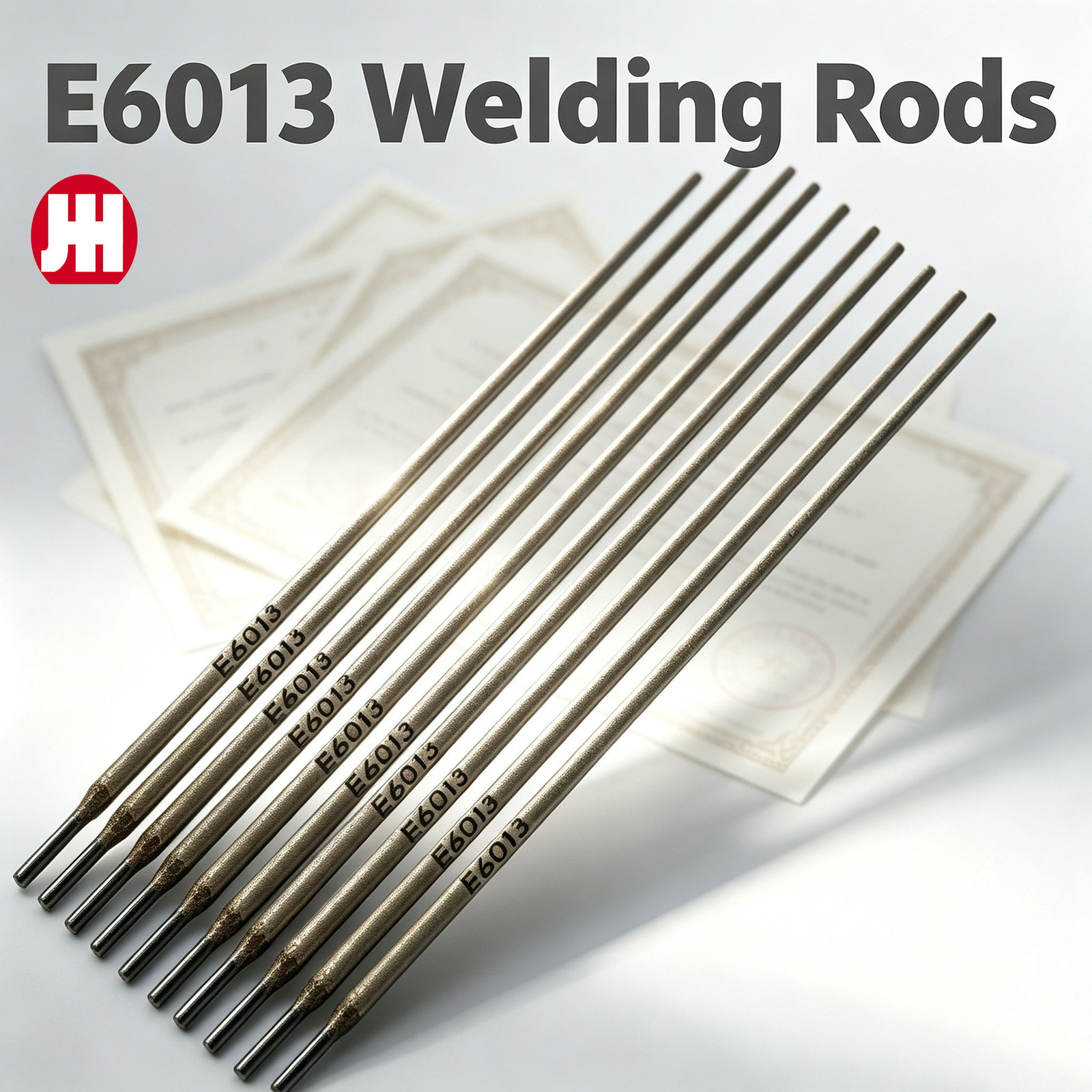
E6013 Mild Steel Welding Electrode
Rutile-type mild steel electrode.
View grade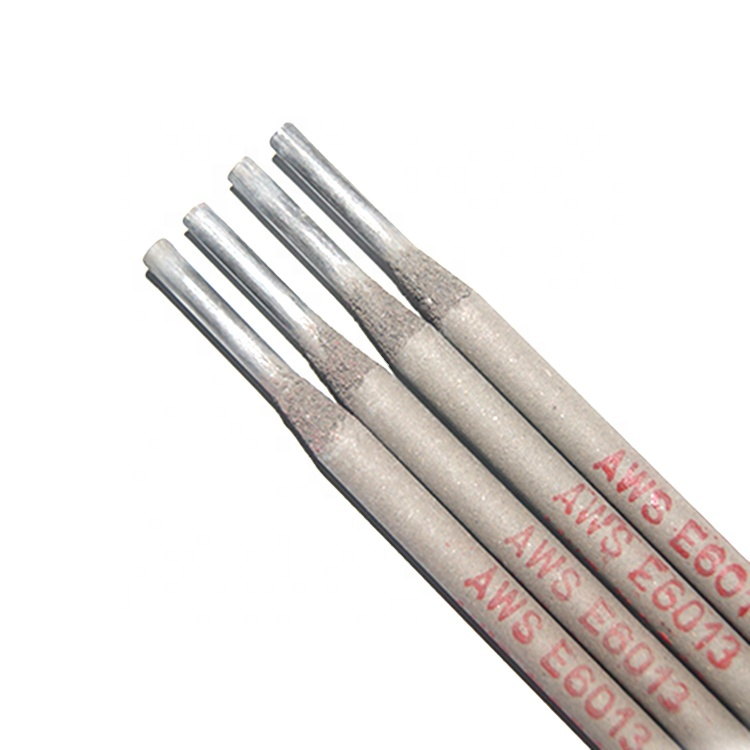
E6024 Iron Powder Welding Electrode
Iron powder electrode for flat and horizontal work.
View grade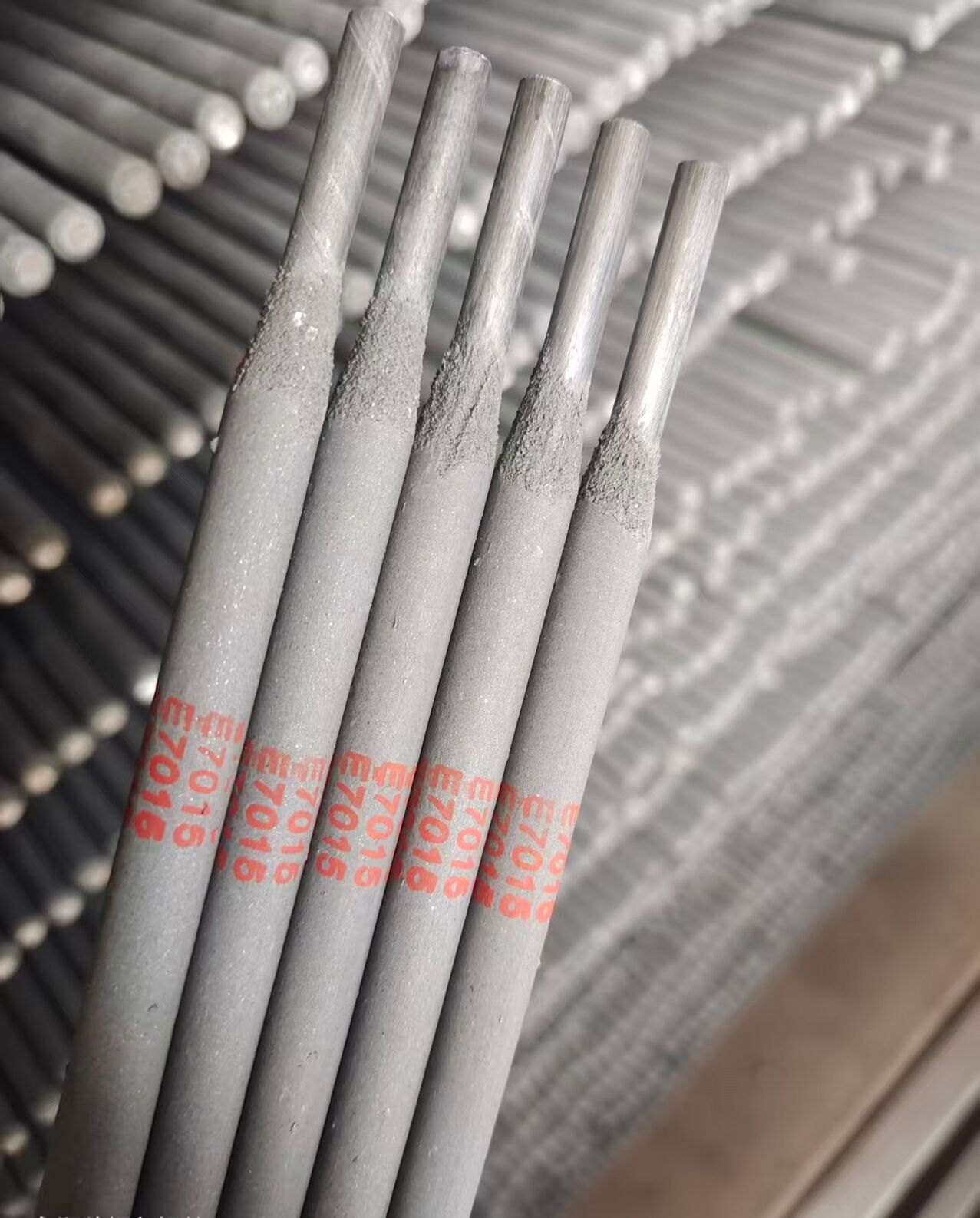
E7015 Low-Hydrogen Welding Electrode
Low-hydrogen electrode for all-position work.
View grade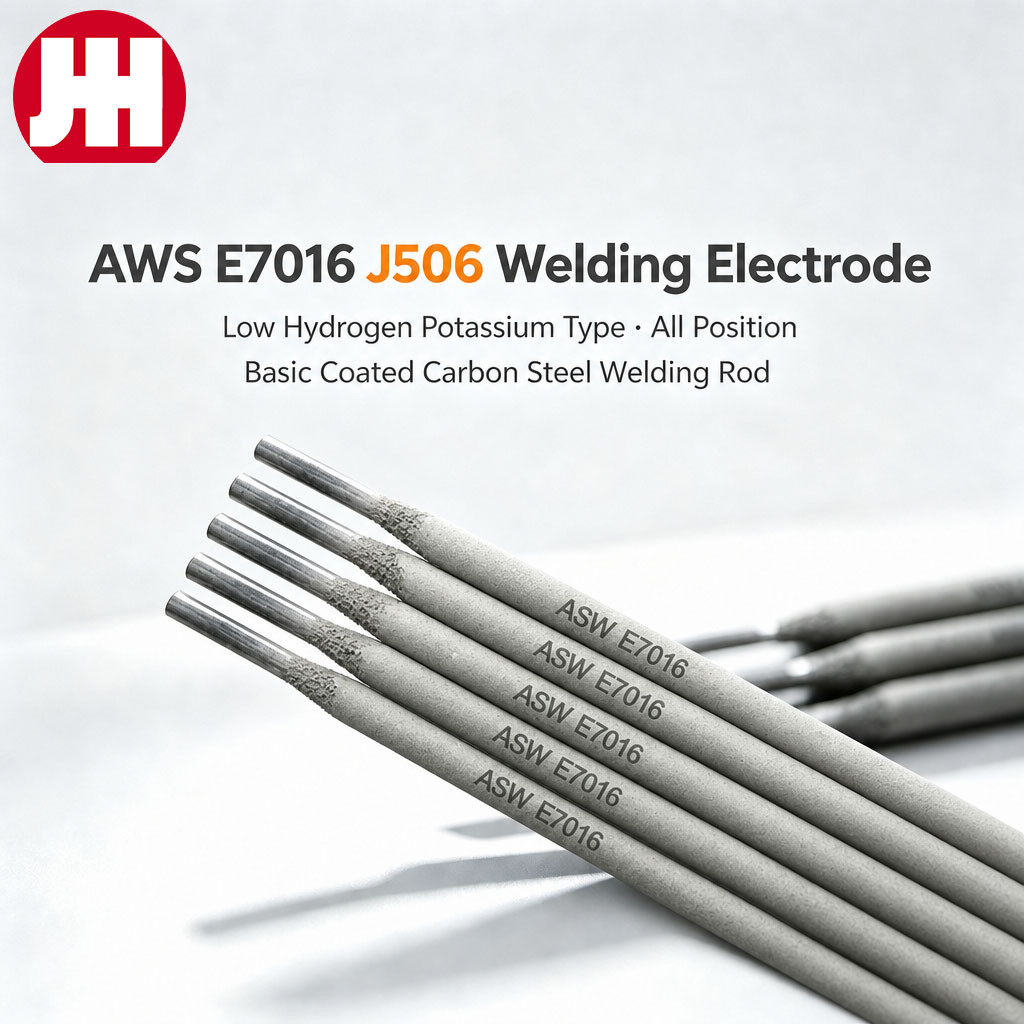
E7016 Low-Hydrogen Welding Electrode
Low-hydrogen electrode for all-position work.
View grade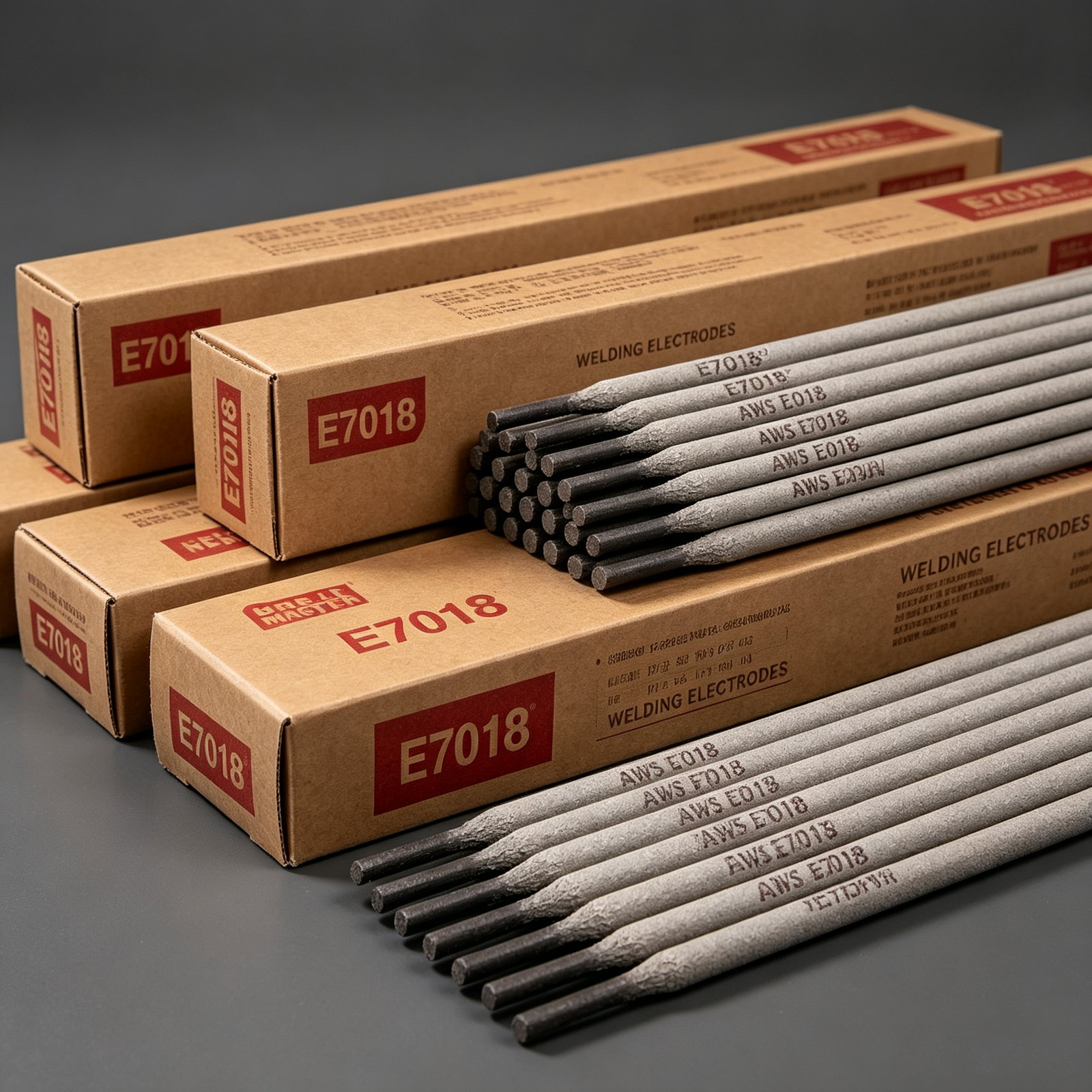
E7018 Low-Hydrogen Welding Electrode
Low-hydrogen iron powder electrode.
View grade
E7024 Iron Powder Welding Electrode
Iron powder electrode for flat, high-deposition work.
View grade