
Technical guides
Grade comparisons and selection notes for electrodes, welding wire and saw blades — written around the standards our customers specify to.
Electrode Diameter: What 2.5, 3.2 and 4.0 mm Actually Change
Diameter is not a preference. It decides how much current the rod needs, which positions it will hold, and how many passes a joint takes. What each common size is good for, and where it stops working.
Read the guideBase Metal to Filler Metal: A Matching Table
The first decision in any welding job is which filler matches the base metal. A table of the common base metals against the grades that fit them, including the pairs where no single filler is correct.
Read the guideAWS A5.1, A5.5, A5.4 and A5.9: Which Standard Covers What
Four AWS standards cover most of the welding consumables sold in bulk, and buyers mix them up when they compare quotes. What each one governs, and how to tell from a designation which one applies.
Read the guideE7018 vs E7016 vs E7015: Picking Between the Low-Hydrogen Three
Three low-hydrogen 70 ksi electrodes that look interchangeable and are not. The last digit of the designation states the coating and the current, and that decides which one your machine can actually run.
Read the guideE308-16 vs E308L-16: What the L Actually Changes
Same 18-8 stainless, same rutile coating, same AC or DC arc. The only difference is a carbon limit, and it decides whether the weld is still corrosion resistant years later.
Read the guideAluminium: E4043, Brazing Wire, and the 419 / 505 °C Split
Aluminium is joined two different ways and the consumables are not interchangeable. When to fusion weld with E4043, when to braze, and what the two working temperatures actually decide.
Read the guideFCAW vs GMAW: Cored or Solid Wire
Both are wire-fed, both are fast, and neither is a straight upgrade on the other. What the flux core buys you, what gas shielding buys you, and how to decide for a given job.
Read the guideMIG Wire Diameter: 0.8, 1.0 or 1.2 mm
Three diameters cover most MIG work and the choice is decided by plate thickness, position and how much you value feed reliability. What each one is for, and the symptoms of picking wrong.
Read the guideM42 vs HSS Saw Blades: Which Blade for Stainless and Pipe
Both are high-speed-steel blades, but only one carries cobalt. That decides how the tooth behaves once it gets hot — which is what cutting stainless does.
Read the guideWT20 vs WC20: Thoriated or Ceriated Tungsten Electrode
Two tungsten electrodes with the same 2% oxide addition, different handling rules. One contains thorium, which is radioactive; the other does not.
Read the guideER308L vs ER316L vs ER309L: Choosing Stainless Filler
Four stainless grades sit in one listing, and the choice between them is decided by the base metal, not the price. Here is what separates them.
Read the guideTIG Filler for Tool and Die Repair: P20, SKD61, SKD11, H13
Tool steel repair usually fails for one reason: the filler did not match the base metal. How the grades we stock divide up, and when preheating decides it.
Read the guideE6010 vs E6011 vs E7018: Choosing a Stick Electrode
What an AWS A5.1 grade tells you, why cellulosic and low-hydrogen coatings differ so much, and which of the three suits root passes and vertical-down work.
Read the guideE71T-GS vs E71T-1C: Choosing the Right Flux-Cored Wire
Both are AWS A5.20 carbon steel flux-cored wires, and they are not interchangeable. How the arc is protected decides the polarity and the weld positions.
Read the guideER70S-6 vs ER70S-3: Picking the Right Solid MIG Wire
Both meet AWS A5.18 and both run DC+ with CO2. The choice is how much manganese and silicon the wire carries — a question about how clean your plate is.
Read the guideThe grades these guides compare
Each guide is written around specific classifications; the grades it compares are listed here.
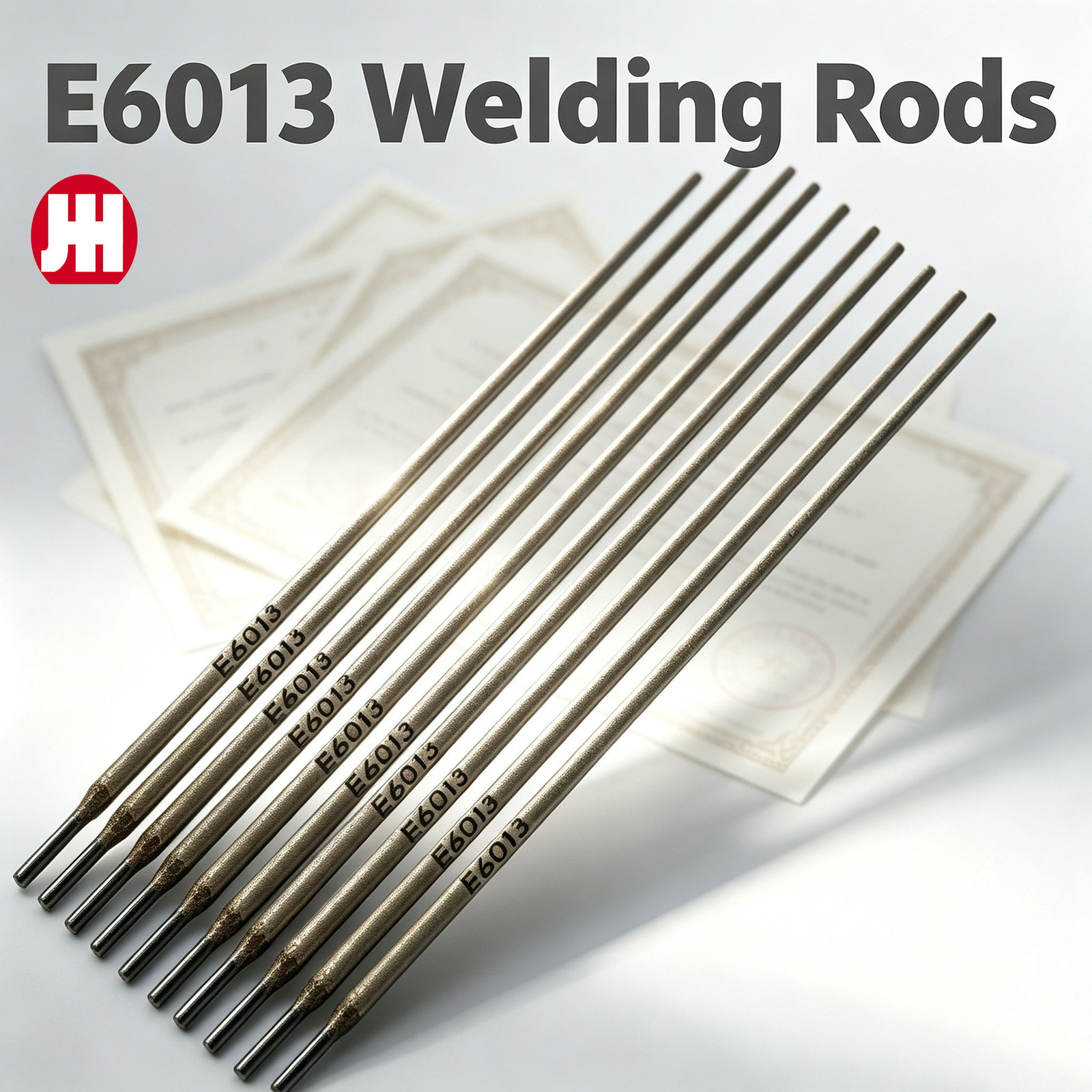
E6013 Mild Steel Welding Electrode
Rutile-type mild steel electrode.
View grade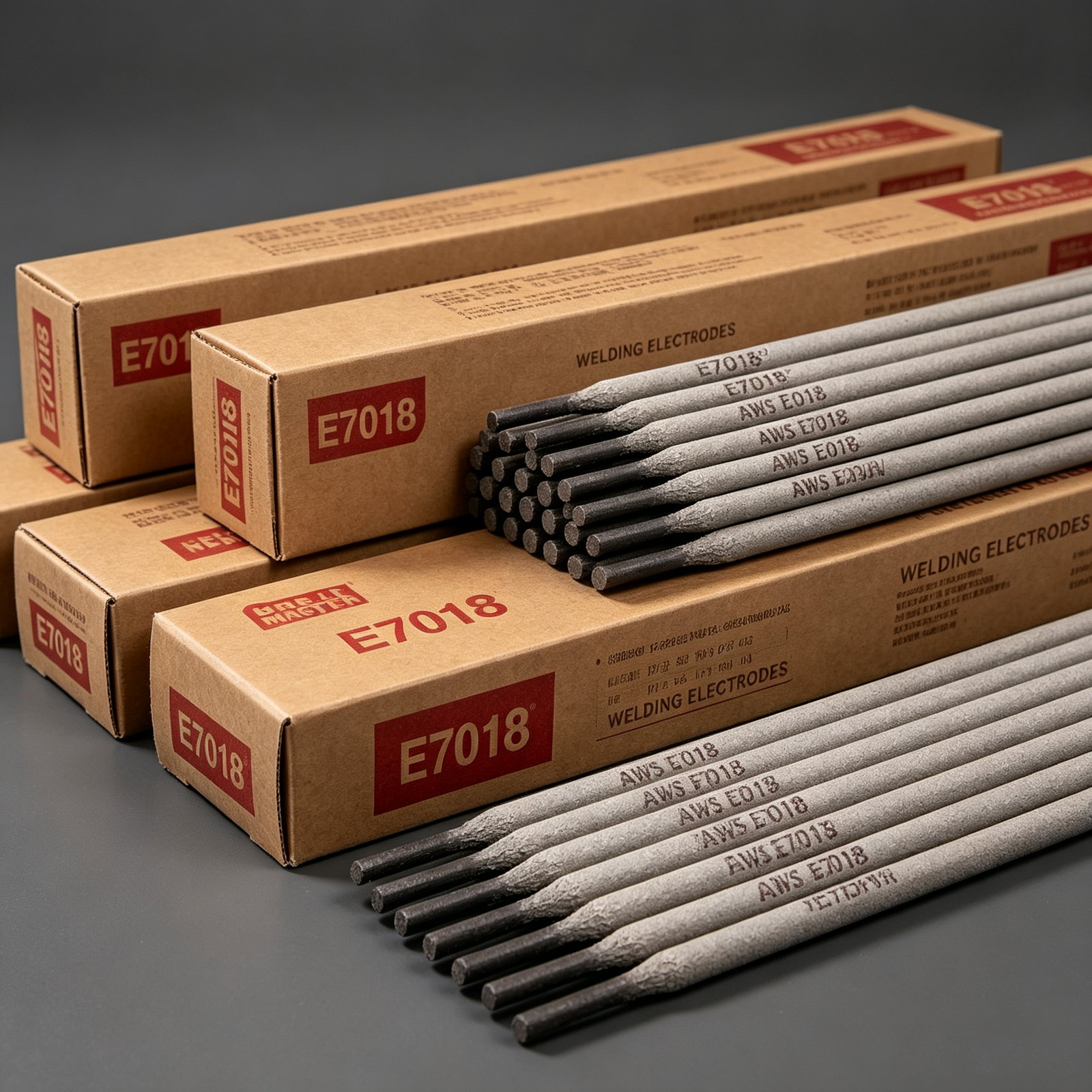
E7018 Low-Hydrogen Welding Electrode
Low-hydrogen iron powder electrode.
View grade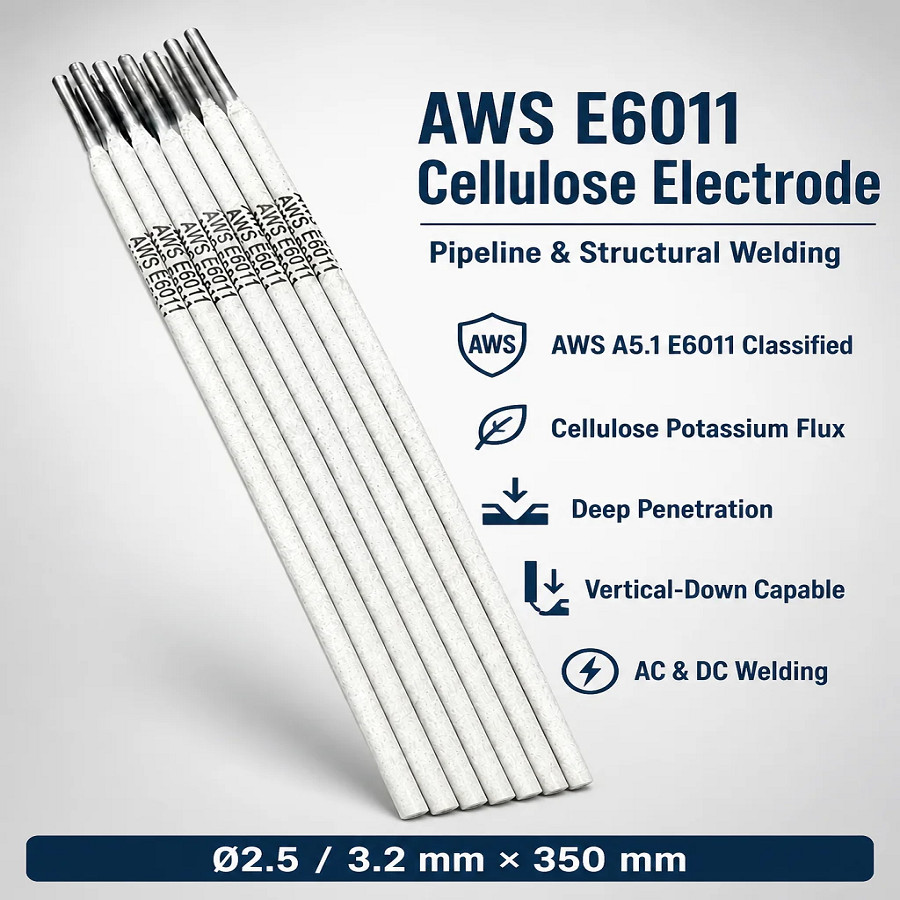
E6011 Cellulosic Welding Electrode
Cellulosic electrode for AC/DC all-position work.
View grade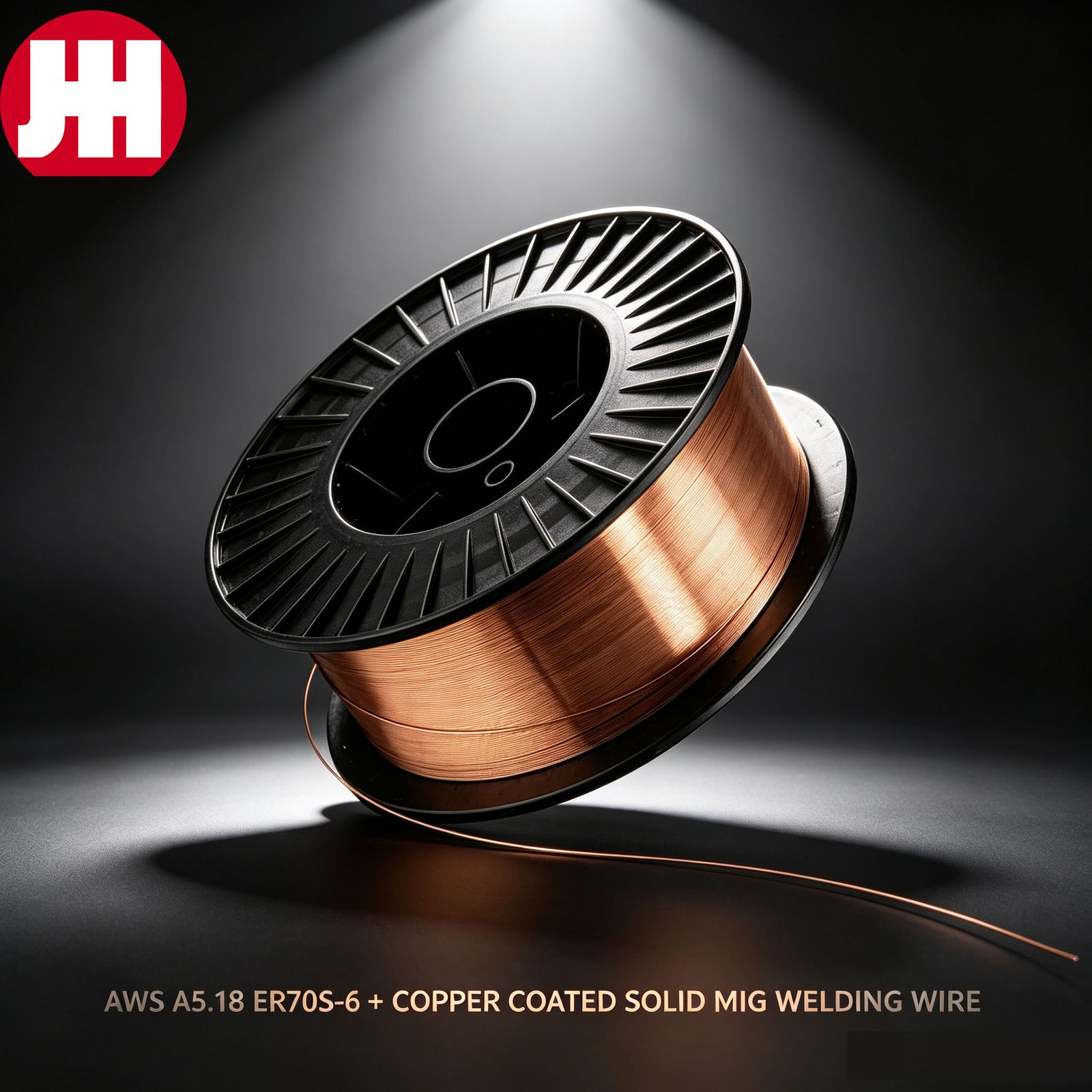
ER70S-6 Copper-Coated MIG Welding Wire
Copper-coated carbon steel solid wire to AWS A5.18 ER70S-6.
View grade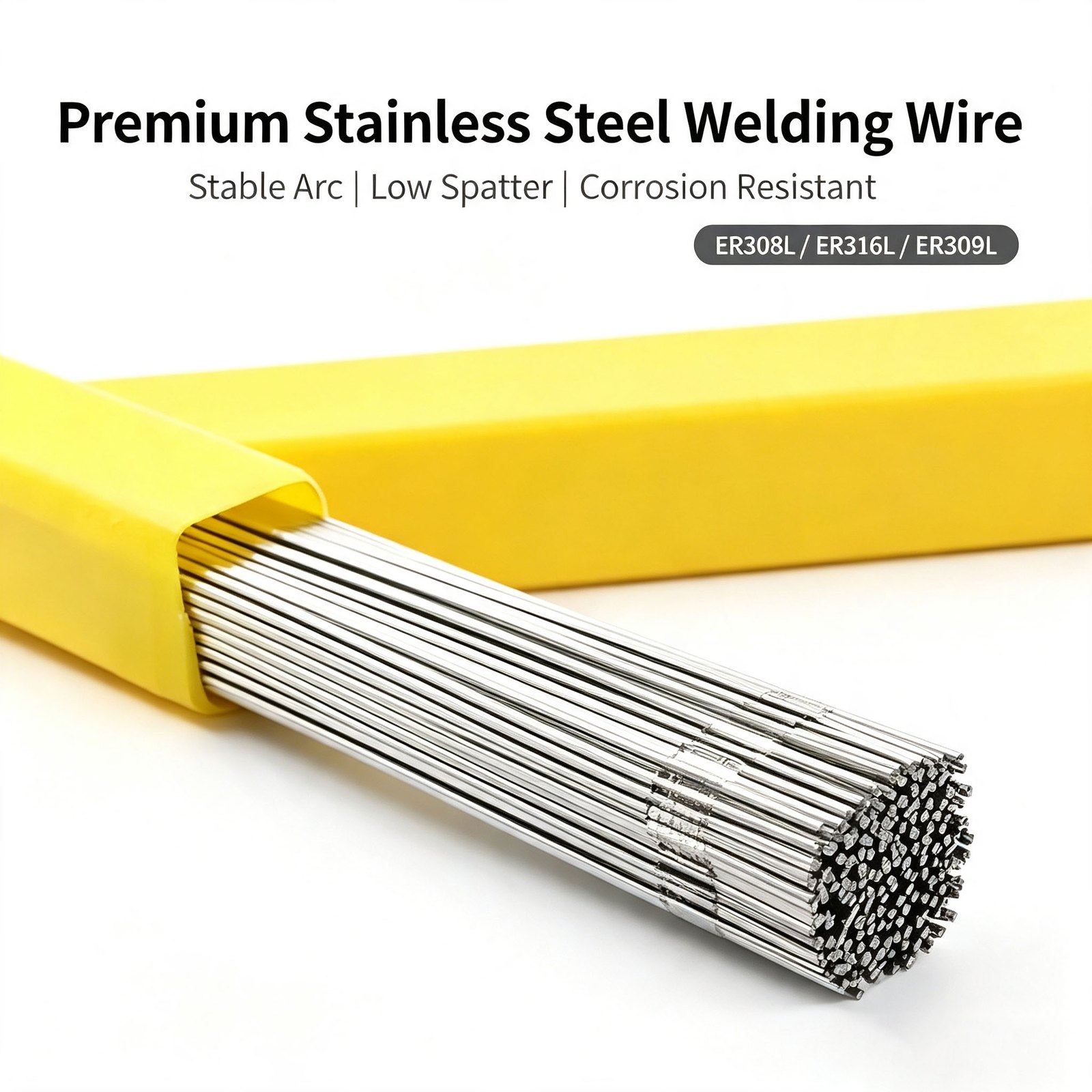
ER308L / ER316L / ER309L / ER2209 Stainless Steel TIG Filler Wire
Austenitic and duplex stainless filler wire to AWS A5.9.
View grade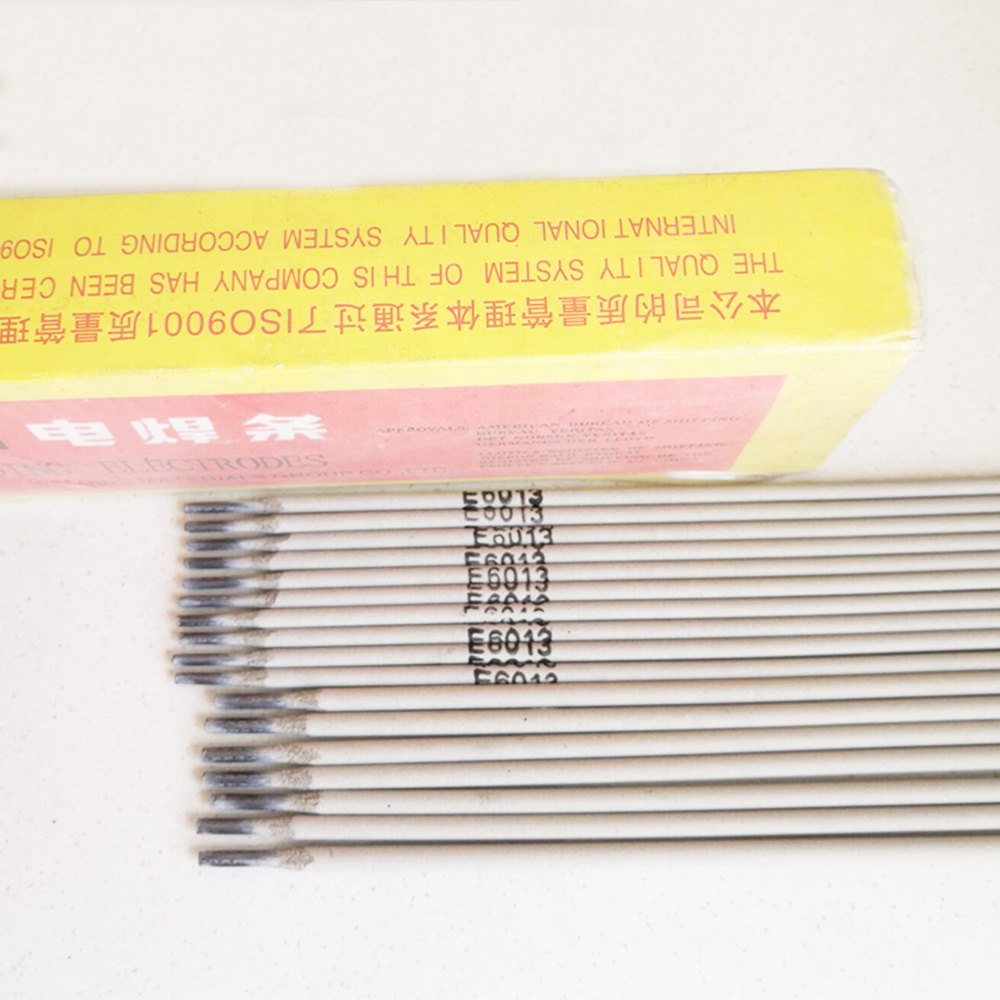
E4043 Aluminium Welding Electrode
Aluminium alloy electrode.
View gradeSend us your grade, standard and quantity
Tell us the electrode classification, wire diameter or blade size you need. You get a technical answer from the factory, not a brochure.